


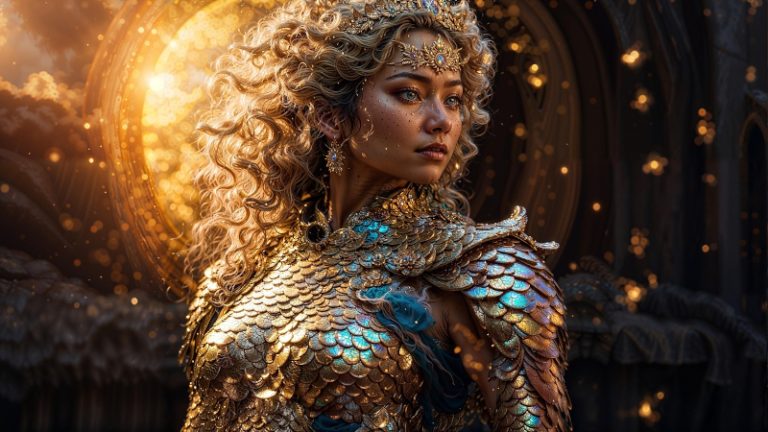
The gaming industry is one of the fastest-growing sectors worldwide. New technologies, rising player expectations, and innovative game concepts mean that visual quality is more important than ever. Whether it’s a mobile game, an AAA production, or an online slot – even the best idea can fall flat without strong visual design.
From the very early stages of a project, defining the right visual direction is crucial. This is where experienced partners like paintpoolstudio.com come in, helping developers turn creative ideas into high-quality game art, illustrations, and animations that lay the foundation for a successful game.
What Does a Game Art Studio Do?
A game art studio is much more than just a provider of graphics. It acts as a creative partner that interprets, refines, and enhances ideas, bringing them to life visually. Artists, designers, and developers collaborate closely to create a cohesive and engaging experience.
Key Services in Detail
- Character Design: Creating unique and memorable characters
- Environment Design: Building immersive worlds and settings
- 2D & 3D Art: Producing assets for various platforms
- UI/UX Design: Designing intuitive and user-friendly interfaces
- Animation & VFX: Adding movement and visual effects
- Slot Game Art: Specialized visuals for casino and slot games
The Role of Concept Art in Game Development
Before a game is programmed or modeled, a visual vision must be created. This is where concept art comes into play. A professional concept art studio ensures that ideas are not only visually appealing but also practical and ready for production.
Why Concept Art Is Essential
Concept art acts as a visual language within the team. It helps avoid misunderstandings and ensures a clear creative direction.
Key benefits include:
- Consistent Vision: Everyone works toward the same visual goal
- Efficiency: Fewer revisions later in development
- Creative Exploration: Different styles can be tested early
- Better Communication: Complex ideas are easier to visualize
Especially in larger projects, strong concept art saves both time and money.
From Idea to Finished Game
Game development is a complex, multi-step process where different disciplines come together. An experienced studio supports this journey from start to finish.
Typical Production Workflow
- Ideation & Moodboards
Initial visual directions and style guidelines are defined - Concept Phase
Characters, environments, and objects are designed - Asset Creation
2D and 3D elements are produced - Integration
Assets are implemented into the game engine - Polishing
Animation, effects, and fine-tuning complete the project
This structured workflow ensures efficiency and helps teams meet deadlines.
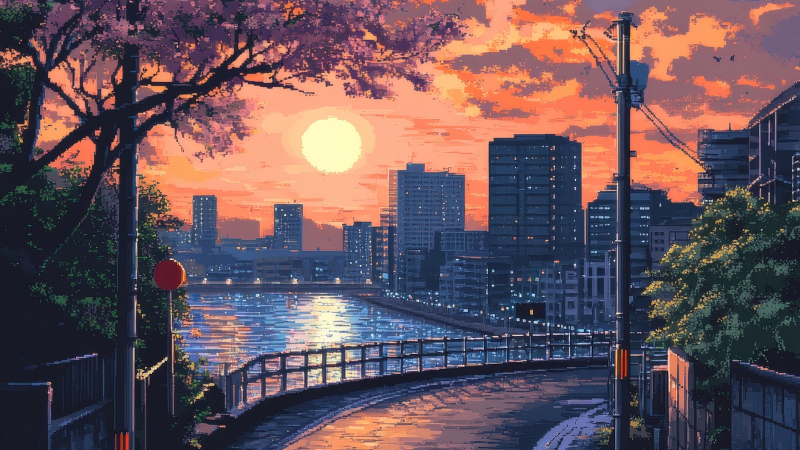
Specialization in Slot Games and Mobile Gaming
One particularly exciting area is the development of slot games and mobile games. Here, creative design meets player psychology. Colors, animations, and sound effects must work together perfectly to keep players engaged.
Key Design Principles in Slot Game Art
- Visual Clarity: Symbols must be instantly recognizable
- Dynamic Animation: Movement enhances excitement
- Color Psychology: Colors influence emotions and behavior
- User-Friendly Design: Simple navigation is essential
In mobile gaming, performance is also critical. Designs must not only look great but also run smoothly on various devices.
Trends in the Game Art Industry
The demands on game art are constantly evolving. New technologies such as AI, real-time rendering, and virtual reality are opening up entirely new possibilities.
Current Trends
- Stylized Art vs. Realism: Both styles are popular and often combined
- AI-Assisted Tools: Supporting idea generation and production
- Cross-Platform Design: Assets must work across devices
- Interactive UI/UX: Interfaces are becoming more dynamic
Studios that adapt to these trends early gain a strong competitive edge.
Professional Game Art Matters
A successful game doesn’t rely on gameplay alone – its visual presentation plays a huge role. High-quality game art enhances immersion, strengthens brand identity, and ultimately contributes to commercial success.
Working with an experienced game art or concept art studio is therefore not just an option, but a strategic decision. Investing in quality from the beginning saves time, reduces costs, and helps your project stand out in a highly competitive market.
